Scientists Warn of Heightened Volcanic Risks Amid Climate Change
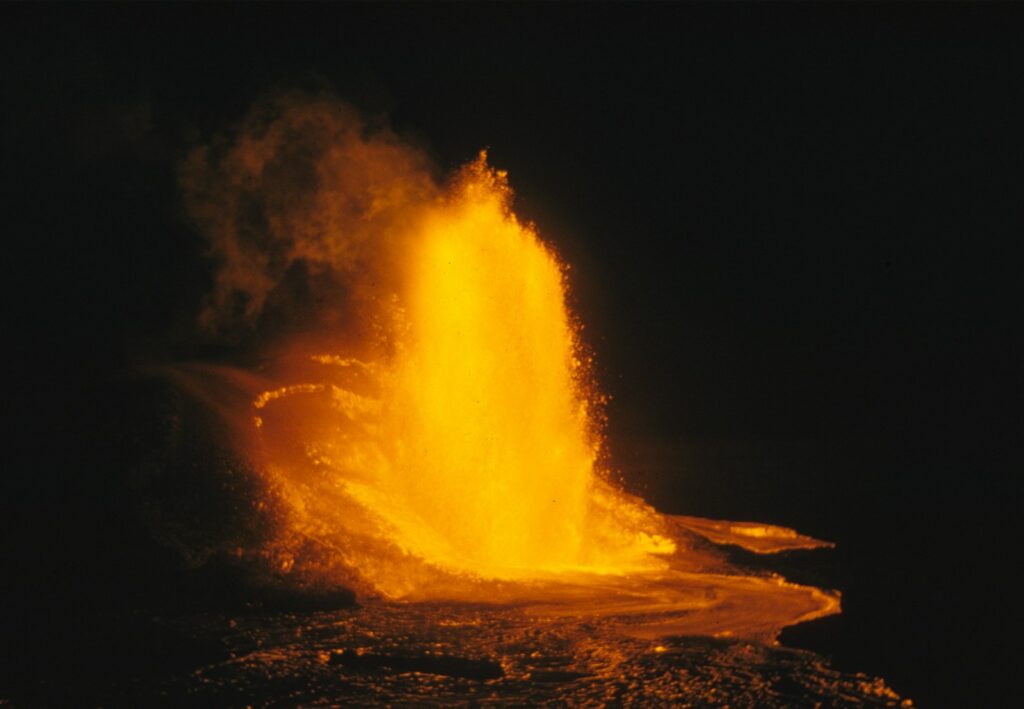
As our planet grapples with the multifaceted impacts of climate change, scientists are sounding the alarm about an often-overlooked consequence: the increased danger posed by volcanic eruptions. While volcanoes are natural phenomena, their behavior is intricately linked to Earth’s climate system. A warming planet, researchers warn, could exacerbate volcanic activity, with potentially catastrophic consequences.
The Science Behind the Concern
“The relationship between climate change and volcanic activity is more interconnected than many realize,” explains Dr. Tamsin Mather, a volcanologist at the University of Oxford. “Rising temperatures can influence the stability of ice caps and glaciers that sit atop volcanoes, potentially triggering eruptions.” This phenomenon, known as glacial unloading, occurs when the melting of glaciers reduces the pressure on the Earth’s crust, allowing magma to rise more easily to the surface.
Research published in Nature Communications by a team led by Dr. Graeme Swindles of the University of Leeds highlights how post-glacial periods in Earth’s history often coincided with increased volcanic activity. “What we’re seeing now,” Dr. Swindles says, “is a similar process unfolding, but at an accelerated pace due to anthropogenic climate change.”
Recent Eruptions Offer Clues
Recent eruptions provide glimpses of how climate-induced changes could amplify volcanic hazards. For example, Iceland’s Eyjafjallajökull eruption in 2010, which disrupted global air travel, followed significant glacial melting in the region. Similarly, Alaska’s Redoubt Volcano has shown increased activity as surrounding ice fields have retreated.
“The loss of ice doesn’t just trigger eruptions,” notes Dr. Heather Handley, a geologist and volcanologist. “It can also influence the type and scale of eruptions, potentially making them more explosive.”
Warming Oceans and Underwater Volcanoes
It’s not just land-based volcanoes that are cause for concern. Warming oceans can destabilize submarine volcanoes. Dr. Robin George Andrews, a volcanologist and science communicator, points out that rising sea temperatures could alter the pressure dynamics on oceanic crusts, leading to increased underwater eruptions. These events could generate tsunamis, adding another layer of risk to coastal communities already vulnerable to climate-related sea-level rise.
The Broader Implications
The consequences of heightened volcanic activity are far-reaching. Beyond the immediate dangers of lava flows and ash clouds, volcanic eruptions can inject massive amounts of sulfur dioxide into the atmosphere, forming aerosols that temporarily cool the planet. This cooling effect, however, can disrupt weather patterns, leading to crop failures and other cascading effects on global food security.
“While some might view this cooling as a counterbalance to global warming, the reality is far more complex and dangerous,” warns Dr. Michael Manga, a professor of Earth and Planetary Science at UC Berkeley. “The unpredictability and severity of volcanic eruptions make them a wildcard in the climate system.”
Preparing for the Future
Given these risks, scientists emphasize the need for robust monitoring and mitigation strategies. Improved satellite technology and ground-based sensors can help detect early signs of volcanic unrest. International cooperation is also crucial, as volcanic hazards often transcend national borders.
“We need to integrate volcanic risk into our broader climate adaptation strategies,” urges Dr. Karen Fontijn, a volcanologist at the University of Brussels. “This includes educating communities, improving evacuation plans, and investing in resilient infrastructure.”
Moving Forward
The link between climate change and volcanic activity underscores the urgency of addressing global warming. Reducing greenhouse gas emissions is not just about mitigating sea-level rise or extreme weather—it’s also about minimizing risks from Earth’s dynamic geological processes.
As Dr. Mather puts it, “We’re entering uncharted territory. The choices we make today will shape not only the climate but also the stability of our planet’s volcanic systems.”
For more information on this topic, readers can explore the following research and articles:
- “Post-glacial volcanic activity in Iceland” – Nature Communications
- “Volcanic hazards in a warming world” – Geology Today
- USGS Volcanic Hazards Program
By understanding these emerging threats, we can better prepare for a future shaped by both climate and geological forces.