Global Top Ten: Which Countries are the Worst Offenders for Climate Change?
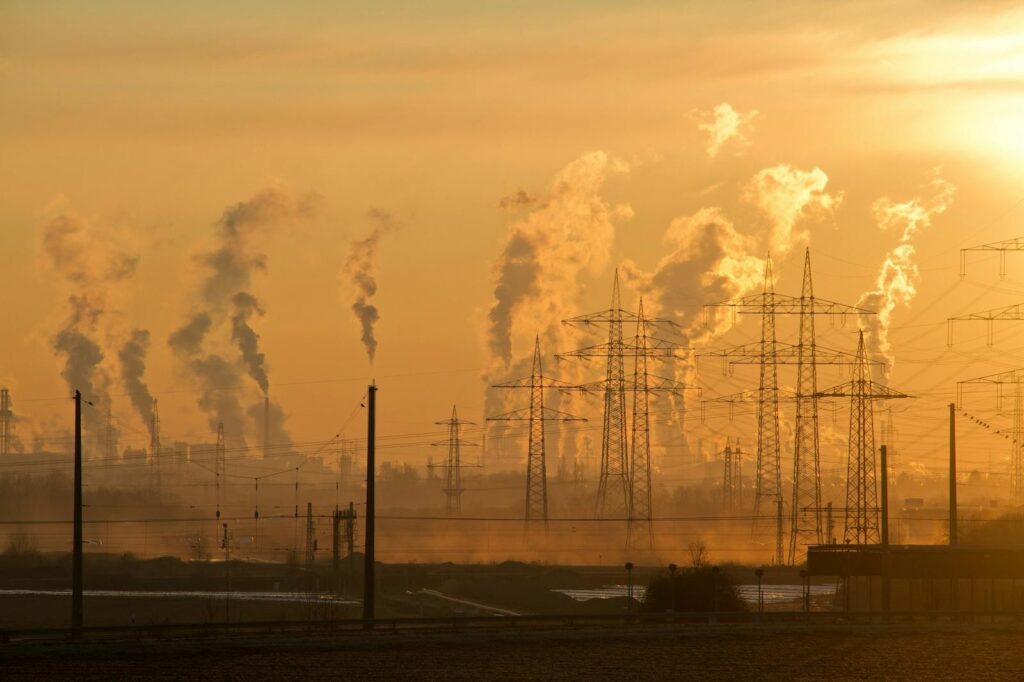
Climate change remains a critical global challenge, predominantly driven by greenhouse gas (GHG) emissions from human activities. The responsibility for these emissions is unevenly distributed, with certain countries contributing disproportionately due to factors like industrial activities, energy consumption, and land-use practices. This article examines the countries most responsible for climate change, utilizing the latest data from 2024.
Which Countries are the Worst for Global Emissions?
1. China
China continues to be the world’s largest emitter of greenhouse gases, accounting for approximately 35% of global CO₂ emissions in 2023. This significant share is attributed to its extensive industrial sector and reliance on coal for energy. Notably, China’s per capita emissions have risen to 11.11 tons, reflecting its growing energy demands. (Global Carbon Atlas)
2. United States
The United States remains the second-largest emitter, responsible for about 12% of global CO₂ emissions in 2023. Despite a slight decline in emissions by 0.6% in 2024, the U.S. maintains a high per capita emission rate of 17.61 tons, underscoring its substantial energy consumption. (EPA Greenhouse Gas Inventory)
3. India
India’s emissions have seen a significant increase, with a 4.6% rise in 2024 compared to the previous year. This growth is largely due to expanding coal usage to meet the energy demands of its developing economy. India’s per capita emissions, however, remain lower than those of China and the U.S. (IEA India Energy Outlook)
4. Russia
Russia contributes approximately 5% of global GHG emissions, with its economy heavily reliant on fossil fuel extraction and export. The energy sector remains a dominant source of its emissions, with limited recent data indicating significant changes. (World Bank Data on Russian Emissions)
5. European Union (EU)
The EU collectively accounts for around 8% of global CO₂ emissions. In 2024, the EU achieved a 3.8% reduction in emissions, continuing its commitment to climate policies and renewable energy investments. Germany remains the largest emitter within the EU, followed by France and Italy. (European Environment Agency)
6. Brazil
Brazil’s emissions are significantly influenced by deforestation activities in the Amazon rainforest. While specific 2024 data is limited, ongoing land-use changes and agricultural expansion continue to contribute to its GHG emissions. (World Resources Institute)
7. Indonesia
Indonesia’s emissions primarily stem from deforestation, peatland degradation, and agriculture. Although recent data is scarce, these activities are known to contribute substantially to its national emissions profile. (Global Forest Watch)
8. Japan
Japan contributes approximately 3% of global CO₂ emissions, driven largely by its reliance on fossil fuels, particularly natural gas and coal, to meet energy demands. While Japan has invested heavily in renewable energy post-Fukushima, it remains a significant emitter due to its industrial output and energy consumption. (IEA Japan Energy Policy Review)
9. Canada
Canada accounts for roughly 1.5% of global CO₂ emissions. Its high per capita emissions are attributed to energy-intensive industries, including oil sands extraction and transportation. Canada has pledged to achieve net-zero emissions by 2050, focusing on reducing emissions from its energy sector and increasing renewable energy use. (Canada’s Climate Plan)
10. Australia
Australia contributes approximately 1.1% of global CO₂ emissions, primarily from coal exports and domestic energy production. Despite its relatively small population, Australia’s emissions per capita rank among the highest in the world. The country has committed to reducing emissions by 43% by 2030 compared to 2005 levels. (Australian Government Climate Change Policy)
The Role of the United Kingdom
The UK contributes approximately 1% of global CO₂ emissions, making it a relatively small emitter on the global scale. However, its historical emissions due to early industrialization place it among the top contributors to cumulative GHG levels. The UK has taken significant steps to reduce its emissions, achieving a 48% reduction since 1990 through investments in renewable energy, phasing out coal power, and adopting stringent climate policies. Notably, the UK aims to reach net-zero emissions by 2050. (UK Government Net Zero Strategy)
Wales’ Carbon Emissions
Wales covers an area of approximately 20,779 square kilometers, which constitutes about 8.5% of the United Kingdom’s total land area. Wales’ emissions account for a relatively small contribution on a global scale, contributing towards 10% of the UK’s total emissions, primarily from heavy industries such as steel production and energy generation.
The Welsh government has set ambitious targets to achieve net-zero by 2050, focusing on renewable energy, sustainable land use, and improving energy efficiency. (Welsh Government Climate Change Strategy) (Wellbeing of Wales Report)
Global Emission Trends
In 2024, global carbon dioxide emissions reached a record high of 41.6 billion metric tons, marking a 0.8% increase from the previous year. This rise is attributed to increased coal burning in countries like India and a rebound in airline flights post-pandemic. (Reuters Report) (The Times)
Addressing Climate Change Equitably
While the aforementioned countries are significant contributors, addressing climate change necessitates global cooperation. Developing nations often emphasize the principle of “common but differentiated responsibilities,” highlighting the need for wealthier nations to lead in emission reductions and support global mitigation efforts. (Paris Agreement) (OECD Climate Finance)
Conclusion
Tackling climate change is a shared responsibility, with certain nations bearing a larger burden due to their emissions profiles and historical contributions. Countries like China, the United States, and India play pivotal roles in global emission trends.
Collaborative efforts, equitable policies, and sustained investments in renewable energy are essential to mitigate the impacts of climate change effectively.