The Global Areas Most at Risk from Climate Change
GRCEditor July 23, 2024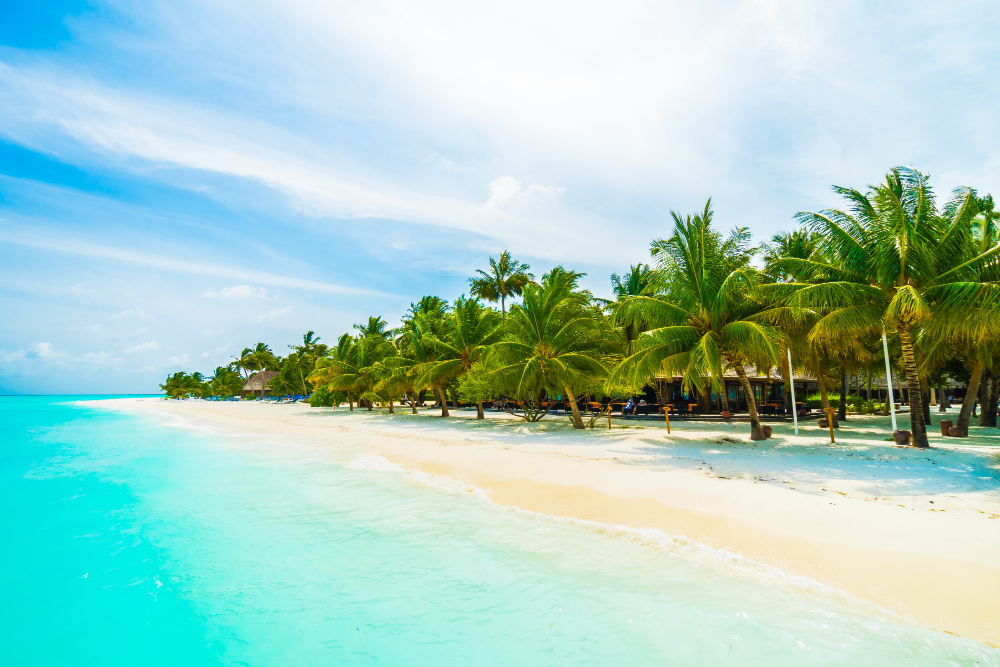
Certain regions around the world are more vulnerable to the impacts of climate change due to a combination of geographic, economic, and social factors. Here are some of the most at-risk areas, according to the World Economic Forum, the WWF and the Institute of Economics & Peace
1. Small Island Developing States (SIDS)
- Examples: Maldives, Tuvalu, Seychelles
- Risks: Rising sea levels, increased storm intensity, coastal erosion, freshwater scarcity.
- Impacts: Potential loss of territory, displacement of populations, loss of biodiversity, and economic disruption due to declines in tourism.
2. Arctic Region
- Examples: Alaska (USA), Greenland, Northern Canada, Siberia (Russia)
- Risks: Accelerated ice melt, permafrost thawing, changes in marine ecosystems.
- Impacts: Rising global sea levels, habitat loss for Arctic species, disruption of Indigenous peoples’ way of life, release of methane from thawing permafrost.
3. Sub-Saharan Africa
- Examples: Sahel region, Horn of Africa
- Risks: Increased temperatures, reduced rainfall, prolonged droughts, desertification.
- Impacts: Food and water insecurity, increased frequency of famines, displacement of populations, and conflicts over resources.
4. South Asia
- Examples: Bangladesh, India, Pakistan
- Risks: Increased frequency of extreme weather events (floods, cyclones), heatwaves, changes in monsoon patterns, sea level rise.
- Impacts: Displacement of millions due to flooding, decreased agricultural productivity, health issues related to heatwaves and poor air quality.
5. Southeast Asia
- Examples: Philippines, Vietnam, Indonesia, Thailand
- Risks: Increased intensity of typhoons, sea level rise, coastal erosion, flooding.
- Impacts: Damage to infrastructure, displacement of coastal communities, loss of mangroves and coral reefs, impacts on fisheries and agriculture (source: WWF).
6. Latin America and the Caribbean
- Examples: Caribbean islands, Amazon Basin, Central America
- Risks: Stronger hurricanes, changes in precipitation patterns, deforestation, increased temperatures.
- Impacts: Loss of biodiversity, reduced agricultural yields, water scarcity, increased incidence of vector-borne diseases
7. Middle East and North Africa (MENA)
- Examples: Egypt, Iran, Saudi Arabia
- Risks: Extreme heat, reduced rainfall, water scarcity, desertification.
- Impacts: Threats to water supply, increased competition for limited water resources, impacts on agriculture, potential for increased socio-political tensions.
8. Australia
- Risks: Increased frequency of bushfires, heatwaves, coral bleaching, droughts.
- Impacts: Damage to property and infrastructure, loss of biodiversity, impacts on tourism and agriculture, threats to human health.
Key Vulnerabilities
- Coastal Areas: Particularly vulnerable to sea level rise and storm surges.
- Agricultural Regions: Susceptible to changes in rainfall patterns and temperatures, affecting food security.
- Urban Areas: High population densities increase the risk of heatwaves, water shortages, and health impacts.
- Indigenous Communities: Often heavily dependent on natural resources and have limited capacity to adapt.
Adaptation and Mitigation Strategies
- Building Resilience: Enhancing infrastructure, adopting sustainable agricultural practices, and improving water management.
- Policy and Governance: Implementing climate policies, international cooperation, and supporting vulnerable communities.
- Technological Innovations: Investing in renewable energy, climate-smart agriculture, and early warning systems.
- Community Engagement: Educating and involving local communities in climate action plans.
Climate change poses a significant threat globally, but proactive measures can mitigate some of its most severe impacts. For detailed analysis and further reading, refer to reports by the World Economic Forum and the Institute of Economics & Peace