Harnessing Solar Power: The Definitive Guide to Installing Solar Panels at Home
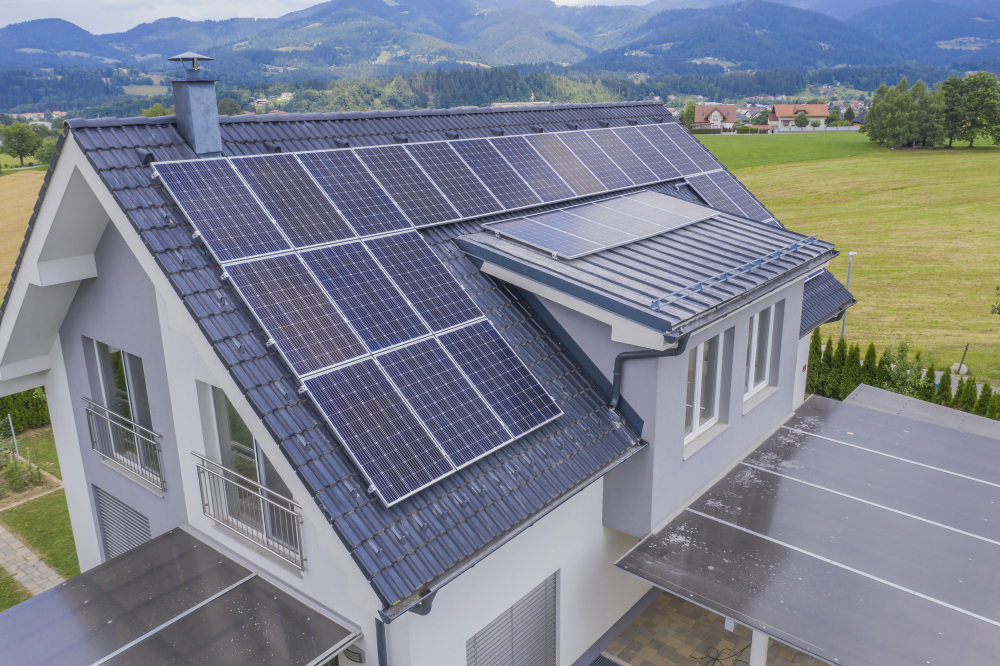
Solar panels, often referred to as photovoltaics (PV), are devices that capture sunlight and convert it into electricity for home use. This technology has become increasingly popular as more people recognise the benefits of harnessing renewable energy.
Benefits of Solar Panels
- Free and Renewable Energy
Installing solar panels allows you to use free, renewable, and low-carbon electricity. Unlike traditional energy sources, solar energy doesn’t deplete over time, making it a sustainable option for the long term.
- Financial Benefits
Once you have solar panels installed, you can sell any surplus electricity back to the grid or store it for later use. This can significantly reduce your electricity bills and even generate additional income.
- Increasing Popularity in the UK
According to the low-carbon certification organisation MCS, over 183,000 solar panel installations were recorded across the UK in 2023. This number is a third higher than in 2022, highlighting the growing popularity of solar as a renewable energy technology.
- Energy Cost Stability
With energy costs being unpredictable, now is a great time to consider the benefits of the free, renewable energy provided by solar panels. By investing in solar technology, you can protect yourself from the volatility of energy prices.
How Do Solar Panels Work?
When sunlight hits a solar panel, it is absorbed by the PV cells within. These cells, usually made of silicon, generate an electrical charge when energised by the sunlight, producing direct current (DC) electricity. An inverter then converts this DC electricity into alternating current (AC), which is the type needed for household appliances.
- Efficiency in Various Weather Conditions
Solar panels do not require direct sunlight to function and can still generate electricity on cloudy days, although stronger sunlight results in higher energy production.
- Typical System Configuration
A typical solar panel system includes between six and twelve panels, each generating around 400 to 450W of energy in strong sunlight.
Considerations Before Installation
- Space Requirements
The average solar panel system is about 3.5 kilowatt peak (kWp) and typically covers 10 to 20 square meters of roof area. Use our solar panel calculator to estimate the suitable system size for your home.
- Roof Orientation
Ideally, solar panels should be installed on an unshaded, south-facing roof for maximum efficiency. East or west-facing roofs are also viable but may produce 15-20% less energy than a south-facing installation.
- Shading
Ensure your roof is free from shade caused by nearby structures, trees, or chimneys. If shading is unavoidable, some solar PV systems use optimisers to minimise its impact. These optimisers help maintain overall system performance by preventing shaded panels from reducing the electricity generated by others.
- Planning Permission
Generally, solar PV panels are considered ‘permitted development’ and do not require planning permission, but exceptions exist. Check with your local planning office, especially if you live in a listed building, conservation area, or national park. You must also register your solar PV system with your Distribution Network Operator (DNO), usually handled by your installer.
Installing Solar Panels on Different Surfaces
- Flat Roofs
Panels can be installed on flat roofs by tilting them towards the sun. The system must maintain the roof’s integrity, often achieved by weighing down rather than fixing the panels.
- Garden Installations
Panels can be installed on a frame in the garden, provided they are not shaded and face south. This setup allows for easy cleaning but requires protection against rodents and physical damage.
- Sheds and Garages
Panels can be installed on outbuildings, ensuring the roof is strong enough. If the building lacks an electricity supply, include this in your cost calculations.
Benefits of Solar Panels
- Lower Electricity Bills
Sunlight is free, so your electricity costs will decrease once the installation is paid for.
- Reduced Carbon Footprint
Solar electricity is a low-carbon, renewable energy source. A typical home system can save about one tonne of carbon per year, equivalent to driving 3,600 miles.
Installation Costs
A 3.5 kWp domestic solar panel system costs around £7,000. Costs vary based on system size, roof accessibility, choice of panels or tiles, and whether you integrate the panels into the building. Ground-mounted systems have additional variables like mounting frame type and distance from the house. Obtain quotes from at least three MCS-certified installers to ensure quality and adherence to standards.
Solar Panel Grants
While no specific solar panel grants exist, other government schemes might offer funding:
- England and Wales: Contact your local council or energy supplier about the Energy Company Obligation (ECO) scheme.
- Scotland: Seek advice on renewable energy funding for residents.
- Northern Ireland: Reach out to NI Energy Advice for funding options.
Savings with a Solar Panel System
Your savings depend on how much solar electricity you use, whether you sign up for export payments like the Smart Export Guarantee (SEG), and your location within the UK, with southern areas receiving more sunlight.
Solar panels offer a sustainable and cost-effective way to generate electricity for your home. By considering the space, orientation, shading, and local regulations, you can determine if solar panels are right for you. With the potential to lower your energy bills and reduce your carbon footprint, investing in solar technology is a step towards a greener future.