Indonesia Wildfires Spark Calls for International Cooperation as Toxic Haze Spreads Across Southeast Asia
Climate campaigners warn that worsening forest and peatland fires demonstrate the urgent need for regional action, corporate accountability and greater international funding to address climate-related damage.
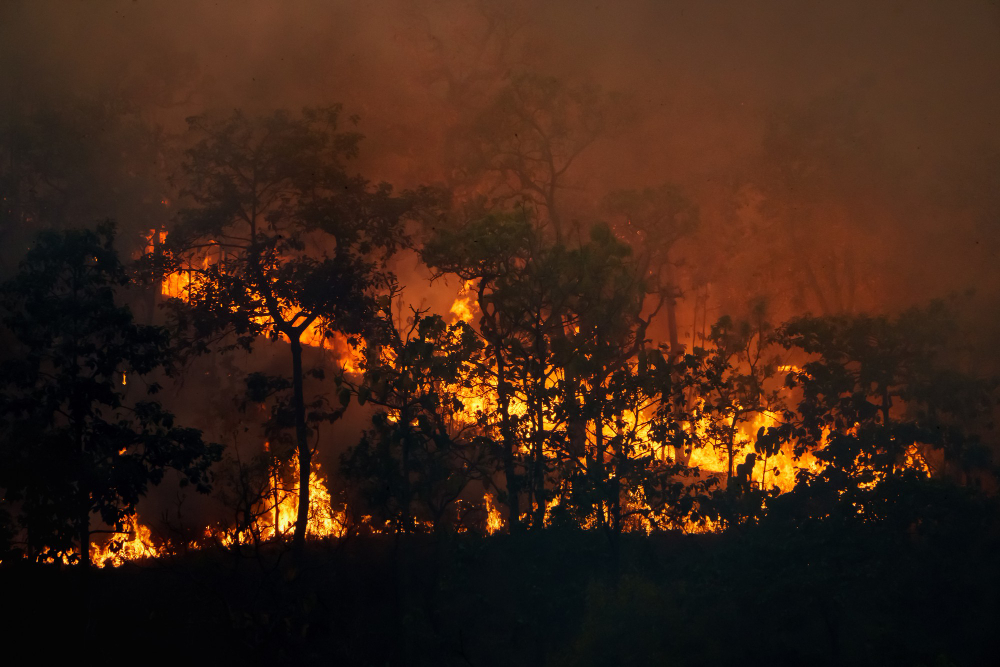
Indonesia’s worsening wildfire crisis has prompted renewed calls for international cooperation to tackle climate-related disasters, as toxic smoke from burning forests and peatlands spreads across Southeast Asia.
Environmental campaign group 350.org has warned that the scale of the fires, described by the organisation as Indonesia’s worst wildfire season in more than a decade, demonstrates how environmental destruction can extend far beyond national borders.
Smoke and haze from the fires have reportedly affected communities across Indonesia and neighbouring countries, including Malaysia, Singapore, the Philippines and Timor-Leste, raising concerns about public health, environmental damage and the ability of governments to respond effectively to cross-border pollution.
The organisation argues that stronger international cooperation, tougher action against companies responsible for environmentally damaging land management practices and greater financial support for climate-vulnerable countries are essential to addressing the crisis.
Climate Change and El Niño Increase Wildfire Risks
Indonesia’s tropical forests and extensive peatlands are particularly vulnerable to fire during prolonged periods of dry weather.
Climate change is increasing the risk of extreme heat and drought in many regions, while El Niño conditions can further disrupt rainfall patterns across Southeast Asia.
When these conditions coincide, vegetation and peat soils can become exceptionally dry, allowing fires to ignite and spread more easily.
Peatland fires are especially difficult to extinguish because they can burn beneath the surface for extended periods, producing substantial quantities of smoke and greenhouse gas emissions.
Indonesia contains some of the world’s most important tropical peatland ecosystems, which store large amounts of carbon accumulated over thousands of years.
When peatlands are drained for agriculture or commercial development, they become more susceptible to burning. Fires can release stored carbon into the atmosphere, contributing to further global warming.
This creates a damaging cycle in which climate change increases fire risks, while the resulting emissions add to the accumulation of greenhouse gases.
Toxic Haze Creates Cross-Border Health Concerns
The consequences of Indonesia’s wildfires extend well beyond the areas directly affected by flames.
Smoke from forest and peatland fires contains fine particulate matter, including PM2.5, which can penetrate deep into the lungs and enter the bloodstream.
Exposure to high concentrations of this pollution is associated with respiratory problems, cardiovascular illness and increased health risks for vulnerable groups, including children, older people and those with existing medical conditions.
During severe haze episodes, pollution can also disrupt schools, businesses, transport and outdoor activities.
Because smoke can travel considerable distances depending on prevailing winds and atmospheric conditions, wildfires in one country can create serious environmental and public health problems elsewhere.
This makes regional cooperation particularly important.
Southeast Asian countries have previously experienced major transboundary haze events linked to Indonesian forest and peatland fires, prompting the development of regional agreements intended to improve prevention, monitoring and emergency responses.
However, environmental campaigners argue that existing measures have not been sufficient to prevent repeated crises.
Environmental Group Calls for Stronger Corporate Accountability
350.org believes that land management practices, particularly the drainage and clearing of peatlands, must be addressed alongside the wider impacts of climate change.
The organisation has called on Indonesian authorities to strengthen enforcement against companies whose activities increase wildfire risks.
It argues that businesses operating in forest and peatland areas should face greater scrutiny and that permits should be reviewed or revoked where companies are found responsible for damaging practices.
Campaigners also want governments across Southeast Asia to take stronger action against corporations contributing to land clearing and pollution.
The organisation says the financial burden of responding to environmental damage should not fall disproportionately on affected communities and public authorities.
Instead, it proposes that revenue raised from major polluters should contribute towards restoring damaged ecosystems, supporting affected populations and addressing the health consequences of prolonged smoke exposure.
350.org: Indonesia Cannot Tackle the Crisis Alone
Sisilia Nurmala Dewi, Indonesia Country Lead at 350.org, criticised the Indonesian government’s approach to wildfire prevention and called for greater international action.
She said:
“The Indonesian government is primarily responsible for its failure to prevent these fires. It has allowed unchecked land clearing and peat drainage by large corporations, which increases the risk of wildfires. Authorities must uphold strict liability of corporations operating in peatlands and forests by evaluating and revoking permits of offenders, and stopping further land clearing.
But these forest fires are not Indonesia’s problem alone. This level of destruction is clearly climate damage that must be addressed by multilateral cooperation. Southeast Asian governments must hold corporations accountable for land clearing and pollution. By taxing the profits of big polluters, governments can raise funds to address loss and damage: help affected populations and rehabilitate forest and peat lands. The money to treat the sick and rewet the peat should come from companies that profited from the damage, not from public budgets already stretched by it.
So far, the people have been left alone to solve their own crisis. Three months of breathing toxic air is enough. At COP31, governments must get their acts together to end fossil fuels, accelerate a just energy transition, and protect citizens from climate impacts which know no boundaries.”
Peatland Restoration Could Help Reduce Future Fires
Restoring damaged peatlands is widely recognised as an important measure for reducing fire risks in tropical regions.
Healthy peatlands retain water, helping to prevent the underlying organic material from drying out and becoming highly flammable.
However, drainage canals constructed for agricultural development can lower water levels, leaving peat exposed to prolonged dry conditions.
Restoration programmes often involve blocking drainage canals, raising water levels and re-establishing suitable vegetation.
These measures can reduce the likelihood of severe peat fires while helping to protect biodiversity and preserve carbon stores.
Successful restoration also requires long-term monitoring, appropriate land management and cooperation with local communities.
Environmental organisations argue that preventing fires through effective land management is generally preferable to relying on emergency firefighting operations once large areas have already ignited.
COP31 Seen as Opportunity for Climate Finance Commitments
350.org is also calling for the wildfire crisis to feature in international discussions ahead of the United Nations COP31 climate conference.
The organisation believes developing countries in Asia need greater financial and technical support to adapt to climate change and recover from environmental disasters.
It is urging wealthier, historically high-emitting countries to increase their contributions towards climate adaptation and mechanisms addressing loss and damage.
Climate finance remains a contentious issue in international negotiations, with developing countries arguing that they face disproportionate consequences from a problem to which they have contributed relatively little historically.
Funding for loss and damage is intended to help vulnerable countries respond to climate impacts that cannot be avoided through mitigation or adaptation alone.
These can include the destruction of homes and infrastructure, damage to agricultural land, environmental degradation and the economic consequences of extreme weather events.
350.org argues that support should also be directed towards restoring damaged forests and peatlands, improving public health responses and strengthening measures to prevent future wildfire disasters.
The group is additionally calling for governments to accelerate the transition away from fossil fuels, which remain the largest source of human-caused carbon dioxide emissions.
Wildfires Highlight Wider Challenges for Climate Policy
Indonesia’s wildfire crisis illustrates the complex relationship between climate change, land management, economic development and environmental protection.
Although rising temperatures and changing rainfall patterns can increase wildfire risks, human activities such as land clearing and peatland drainage can significantly worsen the conditions that allow fires to spread.
Addressing the problem therefore requires more than emergency firefighting.
Effective prevention depends on protecting forests, restoring degraded peatlands, enforcing environmental regulations and ensuring that agricultural and commercial development does not create unacceptable fire risks.
International cooperation is equally important when the consequences extend across borders.
For communities exposed to prolonged smoke pollution, the immediate priorities remain protecting public health, containing fires and preventing further environmental damage.
In the longer term, the crisis raises difficult questions about who should pay for the consequences of environmental destruction and how governments can ensure that businesses are held accountable for activities that increase climate-related risks.
With the next round of international climate negotiations approaching, 350.org is urging governments to recognise that wildfire prevention, climate adaptation and environmental restoration are shared responsibilities requiring coordinated action.
The organisation warns that without stronger measures to tackle the underlying causes, severe wildfire and haze events could continue to threaten communities, ecosystems and economies across Southeast Asia.
Source: 350.org
Further information: 350.org
—
stock image: Magnific