Climate Change in June 2026
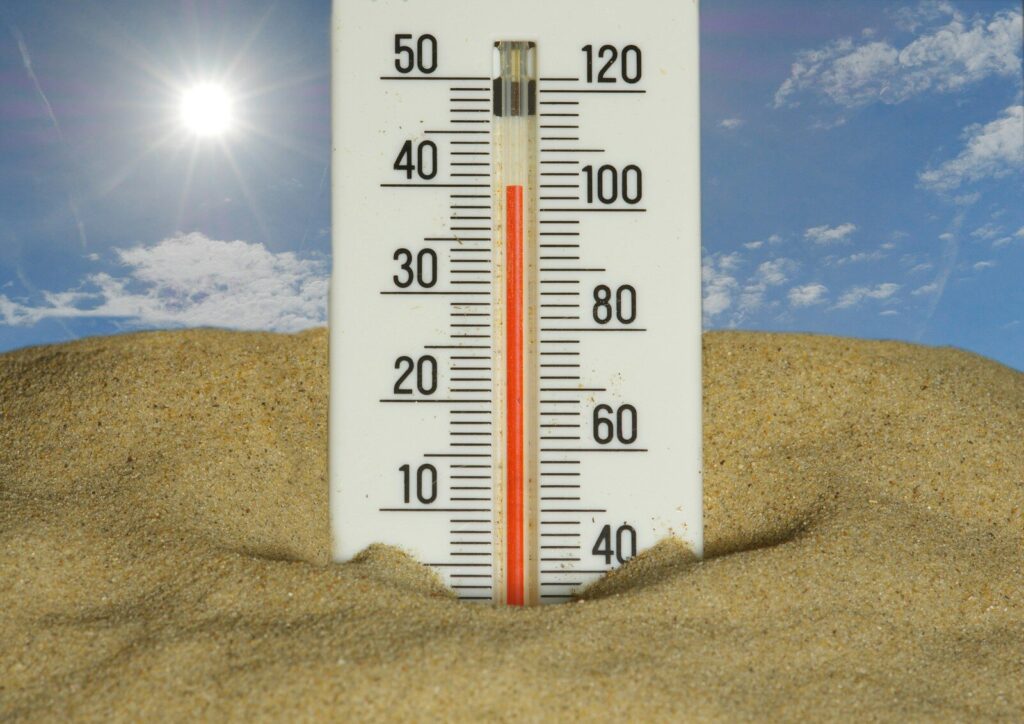
June 2026 highlighted the growing impact of climate change across many parts of the world. Rising temperatures, more frequent heatwaves, heavier rainfall, and increasing pressure on infrastructure demonstrated how climate change is no longer a distant challenge but one that is affecting communities, businesses, and ecosystems today.
One of the most significant events during June 2026 was the exceptional heatwave experienced across Europe, particularly in the United Kingdom. The UK recorded several new provisional June temperature records, with temperatures exceeding 37°C in parts of England and nearly 36°C in Wales, higher than July 2025. The Met Office confirmed that England experienced its warmest June on record, while Wales and the UK as a whole recorded their second warmest June since records began in 1884. Scientists noted that human-induced climate change has made heatwaves such as these more frequent and more intense.
Extreme heat has significant consequences beyond discomfort. High temperatures place additional strain on hospitals, transport networks, electricity supplies, agriculture, and water resources. Vulnerable groups, including older people, young children, and those with existing health conditions, face increased health risks during prolonged periods of extreme heat. Heat-related illnesses and pressure on emergency services have become an increasingly important public health concern.
Climate change is also contributing to more intense rainfall events. During June 2026, severe flooding affected several West African countries, including Ghana, Nigeria, Côte d’Ivoire, and Togo. Researchers concluded that human-caused climate change made the exceptionally heavy rainfall significantly more likely, increasing both the intensity of the storms and the risk of widespread flooding. Thousands of people were displaced, demonstrating how climate change is affecting vulnerable communities around the world.
Globally, climate trends remained concerning. According to the U.S. National Centers for Environmental Information, June 2026 was the second warmest June ever recorded worldwide. Ocean surface temperatures reached their highest June levels on record, while Arctic and Antarctic sea ice remained well below historical averages. These long-term trends reinforce the scientific consensus that the Earth’s climate continues to warm due primarily to greenhouse gas emissions from human activities.
Governments, businesses, and communities are increasingly recognising that both climate mitigation and climate adaptation are essential. Mitigation focuses on reducing greenhouse gas emissions through cleaner energy, improved efficiency, sustainable transport, and protecting natural ecosystems. Adaptation involves preparing societies for unavoidable impacts by improving flood defences, designing buildings that can withstand higher temperatures, strengthening water supplies, and developing more resilient infrastructure.
Businesses also have an important role to play. Many organisations are investing in renewable energy, reducing carbon emissions throughout their supply chains, improving energy efficiency, and developing products and services that support the transition to a lower-carbon economy. These actions can reduce environmental impacts while creating new economic opportunities and improving long-term resilience.
June 2026 served as another reminder that climate change is influencing weather patterns across the globe. While no single weather event can be attributed solely to climate change, decades of scientific research show that rising global temperatures are increasing the likelihood and severity of many extreme weather events. Continued international cooperation, scientific innovation, and investment in sustainable solutions will be essential to limit future warming and help communities adapt to the changing climate.