Record Sunny Spells Could Save Large Businesses More Than £2,000 In Three Weeks as UK Sees Solar Generation Surge
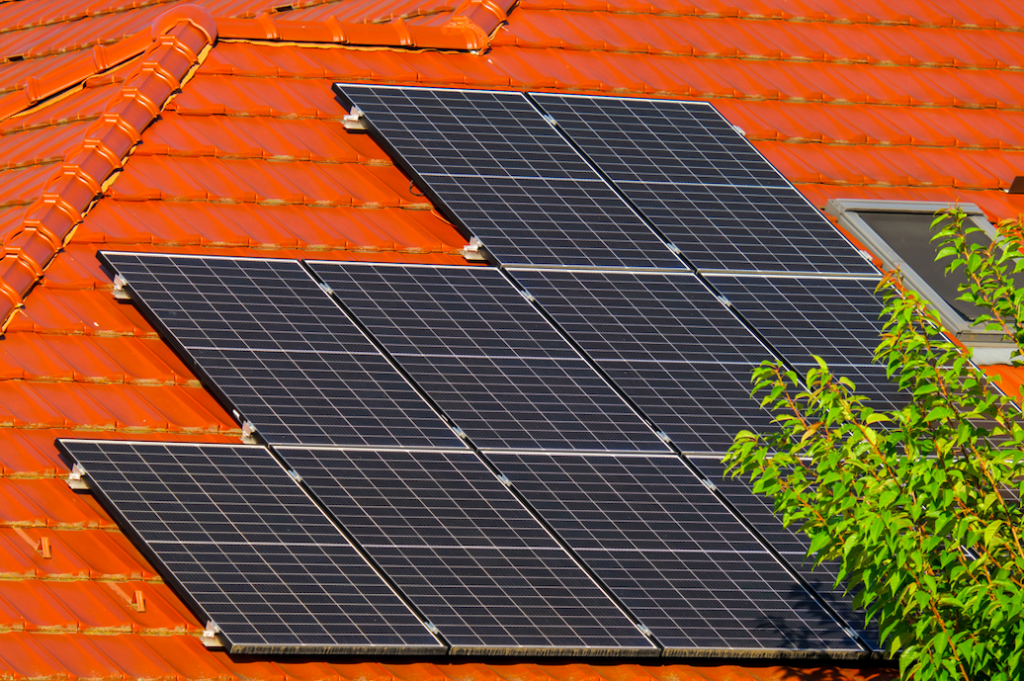
SaveMoneyCutCarbon the UK’s largest integrated decarbonisation delivery platform, is finding that businesses are beginning to become aware of the real-world power of rooftop solar, with a strong sunny day capable of generating up to £100 in avoided grid electricity costs. Across three weeks of strong sunny conditions, that could mean savings of around £200 for a smaller business system and more than £2,000 for a larger commercial rooftop, based on electricity used on site at a rounded business rate of 25p/kWh. The company has already seen this in practice through projects including Chichester City Council’s Grade II-listed Council House, where it specified and installed a 5.5kW rooftop solar array, and Cheffins, which was connected with SMCC through Barclays before having its Sutton sale ground fitted with solar PVs. Where surplus power is exported, eligible businesses may also receive payments through the Smart Export Guarantee, creating further value from energy they do not use.
The savings opportunity comes as rooftop solar hits a decade high, with Reuters reporting that more than 27,000 UK solar installations were completed in March 2026, the highest monthly total since 2012, with rooftop solar driving the surge. UK solar output also passed 15GW on Britain’s electricity system for the first time in April, while government data shows total UK solar installations passed two million for the first time in March. The recent prolonged sunny spell across the UK has also highlighted how periods of stronger solar generation can materially change daytime electricity demand and operating costs for businesses with on-site generation.
SaveMoneyCutCarbon says the wider direction of travel is becoming increasingly important for long-term business planning. Climate scientists continue to warn that rising global temperatures are increasing the likelihood of hotter summers, more prolonged warm periods and greater weather volatility across Europe and the UK. For businesses, that means solar generation potential is likely to rise over time, even as higher temperatures simultaneously place greater pressure on cooling systems, electricity demand and operational resilience. The organisation says the combination of stronger solar performance, falling technology costs and continued energy market volatility is changing how businesses view rooftops, shifting them from passive infrastructure into active financial assets capable of supporting resilience, operational stability and long-term cost control.
Mark Sait, CEO of SaveMoneyCutCarbon, notes: “The real issue for businesses is control and the ability to plan. Rooftop solar can turn a building from a passive energy user into a small power station, helping reduce exposure to volatile markets and making costs easier to manage. As energy prices, geopolitical instability and grid pressure continue to shape business confidence, self-generation is becoming less of a sustainability add-on and more of a practical commercial decision. The businesses moving now are often looking at resilience and predictability as much as carbon reduction.
“Longer-term, businesses also need to recognise that climate conditions themselves are changing. Warmer and sunnier periods may increase generation opportunities for solar, but they also increase cooling demand and pressure on infrastructure. The organisations preparing now are thinking about energy resilience as a whole-system issue rather than treating sustainability as a standalone project.”
These latest solar figures, combined with the arrival of more frequent sunny spells, should prompt more businesses to review their estates and identify where self-generation could support cost control, carbon reduction and long-term resilience. As energy volatility continues to shape commercial decisions, rooftops are becoming central to financial protection as much as environmental progress.