Global Ocean Census Unveils Over 800 New Marine Species
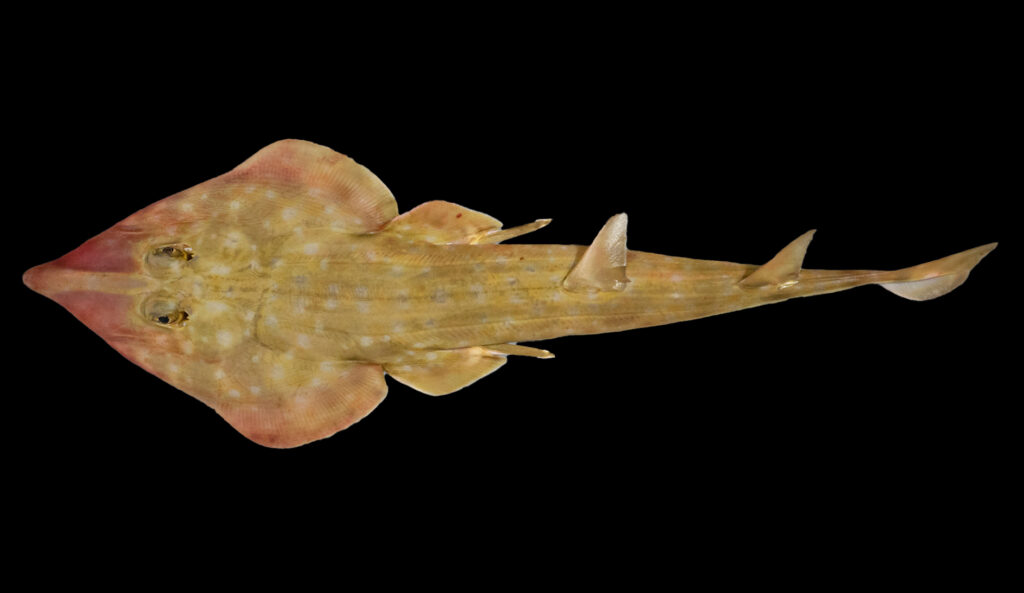
Image: Guitar Shark/Rhinobatos sp. Credit: The Nippon Foundation-Nekton Ocean Census / Sergey Bogorodsky © 2025
A groundbreaking global mission to explore ocean biodiversity has led to the discovery of 866 new marine species, marking a major step forward in understanding life beneath the waves. The Nippon Foundation-Nekton Ocean Census, the largest international effort to accelerate marine species discovery, made the announcement following 10 major expeditions and eight discovery workshops conducted in collaboration with leading research institutions.
Expanding Our Knowledge of the Ocean
The initiative, launched in April 2023, aims to dramatically speed up the process of identifying marine species, addressing a critical knowledge gap in global biodiversity. With oceans covering 71% of the planet and an estimated 1–2 million species yet to be documented, the Ocean Census underscores the vast potential for new discoveries.
“These latest findings demonstrate how international collaboration can advance our understanding of ocean biodiversity,” said Mitsuyuki Unno, Executive Director of The Nippon Foundation. “Only around 10% of marine life has been discovered so far, leaving a wealth of unknown species still to be explored.”
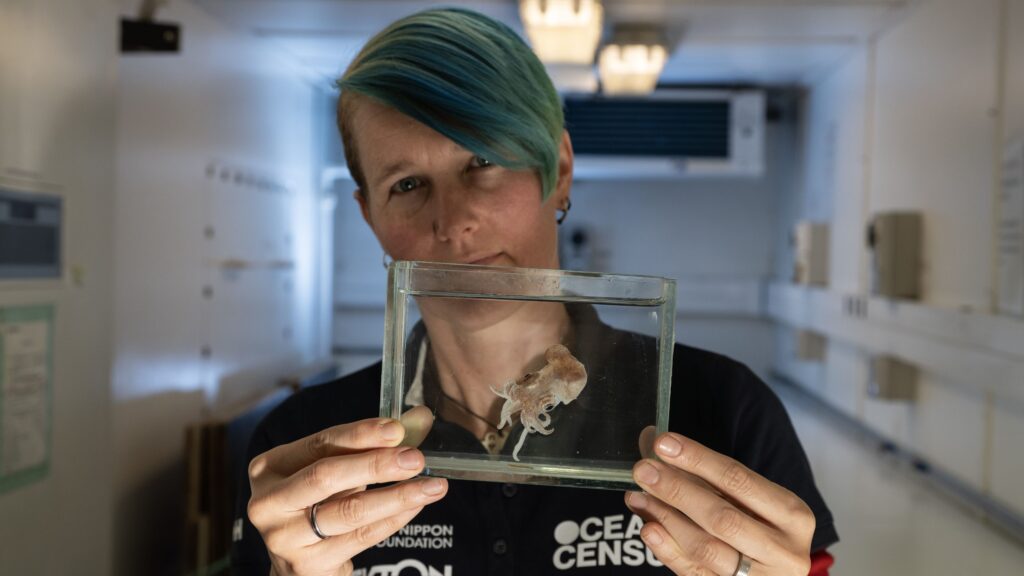
New Zealand Bounty Trough expedition.
Credit: National Institute of Water and Atmospheric Research (NIWA)/The Nippon Foundation-Nekton
Ocean Census © 2024
Key Discoveries and Scientific Breakthroughs
Among the newly identified species are a diverse range of marine organisms, from rare sharks to deep-sea corals. The discoveries were made possible through cutting-edge exploration techniques, including divers, submersibles, and remotely operated vehicles (ROVs), which allowed scientists to access depths ranging from 1 to nearly 5,000 meters.
Three particularly notable discoveries include:
- Guitar Shark – Identified at 200m depths off Mozambique and Tanzania by renowned shark expert David Ebert, also known as the ‘Lost Shark Guy.’ This is only the 38th known species of guitar shark, a group at significant risk, with two-thirds of its members classified as threatened.
- Turridrupa magnifica – A venomous marine gastropod discovered at 200–500m depths off New Caledonia and Vanuatu by Dr. Peter Stahlschmidt (University of Landau, Germany). Related snails have previously contributed to pain relief and cancer treatments, highlighting the biotechnological potential of deep-sea species.
- New Octocoral – Found in the Maldives by a research team from the Maldives Marine Research Institute and the University of Tokyo. This species belongs to a genus with only five known members and represents the first record of its kind in the Maldives, emphasizing the uncharted diversity of coral ecosystems.
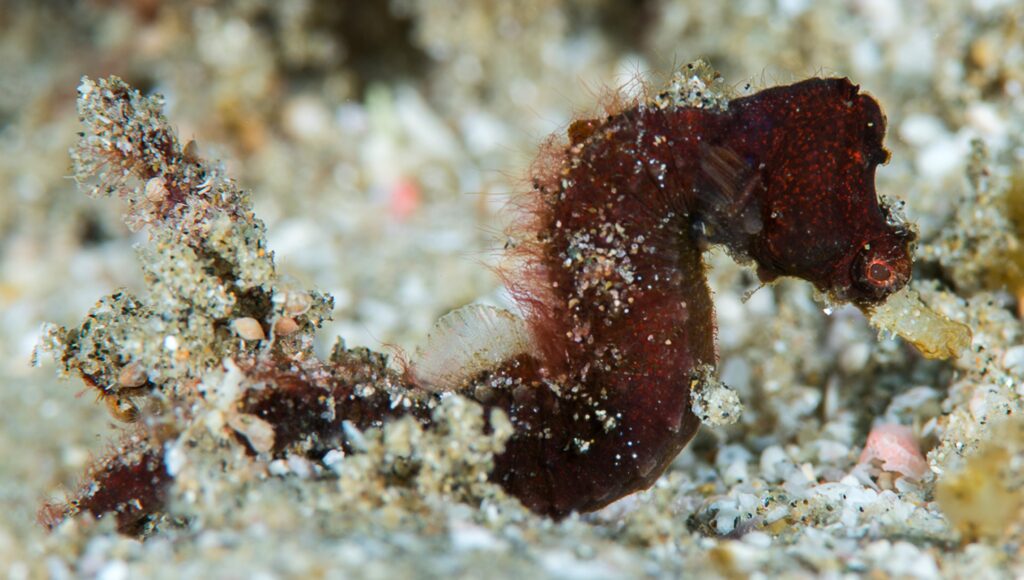
Credit: The Nippon Foundation-Nekton Ocean Census / Richard Smith © 2025
Accelerating Species Discovery
Despite frequent encounters with unknown species, formal identification remains a slow and complex process. It can take over 13 years for a species to be officially recognized in scientific literature, delaying conservation efforts and increasing the risk of extinction before proper documentation.
“Too many species remain in limbo for years because the formal description process is too slow. We need to change that,” said Prof. Lucy Woodall, Head of Science at Ocean Census. “Every new species—whether a shark or a sponge—deepens our understanding of marine ecosystems and the benefits they provide for the planet.”
To address this, the Ocean Census has developed a Biodiversity Data Platform in partnership with the UN Environment Programme World Conservation Monitoring Centre. The platform allows researchers and the public to access data on newly identified species, fostering open science and accelerating taxonomy efforts.
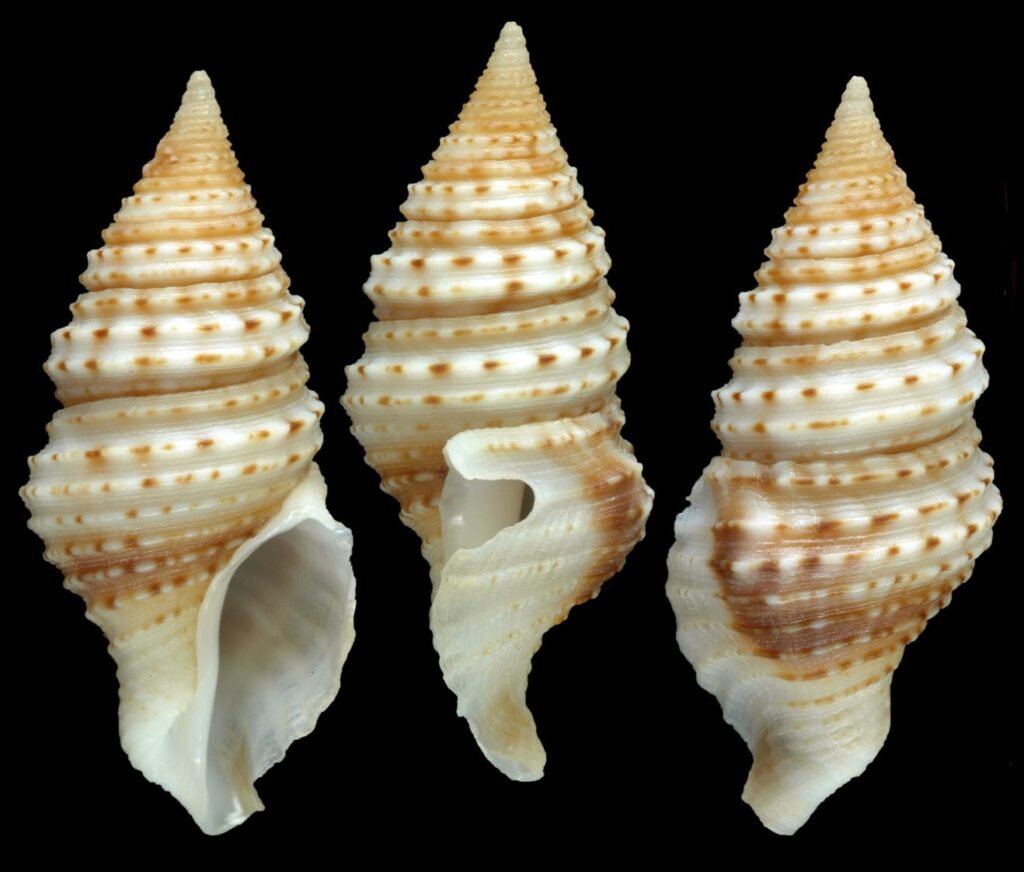
Credit: The Nippon Foundation-Nekton Ocean Census / Richard Smith © 2025
A Global Collaboration for Marine Research
The Ocean Census is endorsed by the United Nations Ocean Decade and brings together over 800 scientists from 400 institutions worldwide. Through strategic partnerships with organisations such as Schmidt Ocean Institute and The National Institute of Water and Atmospheric Research (NIWA), the mission is advancing marine research in uncharted regions.
“By uniting governments, philanthropic supporters, and leading marine research organisations, we can accelerate the discovery of ocean life at an unprecedented scale,” said Jyotika Virmani, Executive Director of Schmidt Ocean Institute.
The Road Ahead
Building on these initial findings, the Ocean Census has ambitious plans for 2025. The initiative will award dozens more Species Discovery Grants, conduct 10 new expeditions, and host seven additional workshops across the Pacific, Indian, and Southern Oceans. All future discoveries will be added to the Ocean Census Biodiversity Data Platform, supporting global marine conservation efforts.
As researchers continue their work, the project moves closer to its long-term goal: cataloging 100,000 new species, an effort estimated to require at least $1 billion. The success of the Ocean Census demonstrates the power of collaboration and innovation in uncovering the mysteries of the deep sea, with each discovery bringing us closer to understanding and preserving the vast biodiversity of our planet’s oceans.