Is Your Gas Cooker Hurting You?
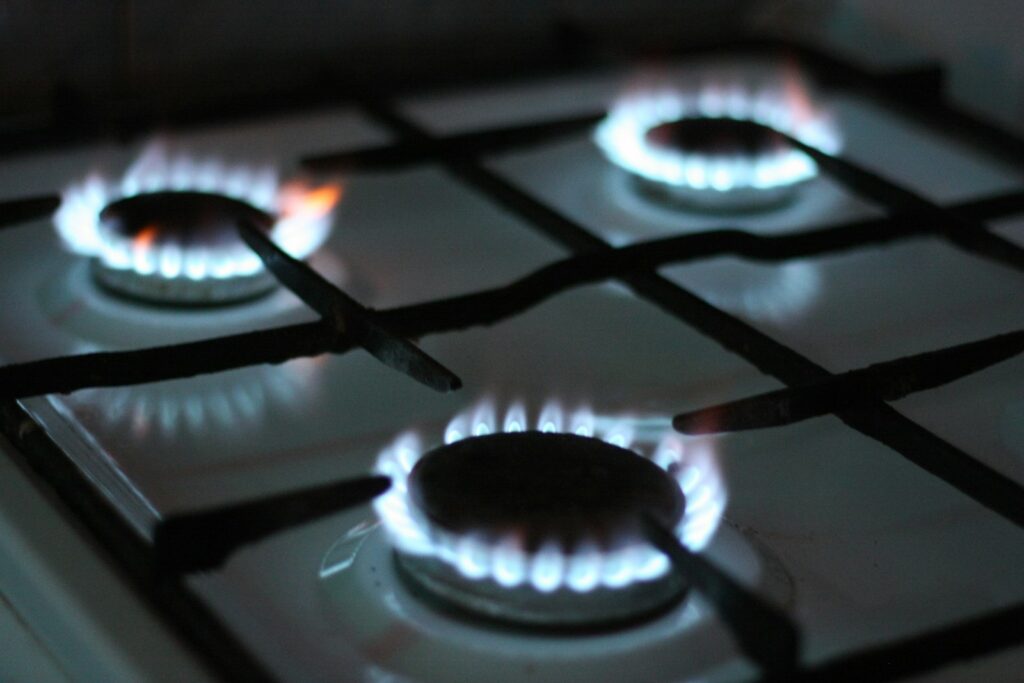
Gas cookers are a staple in many households across most western civilisations due to their convenience, speed, and reliability. However, recent research has highlighted potential health risks associated with gas cookers, sparking a debate over their safety. From indoor air quality concerns to the release of harmful pollutants, understanding the risks and the science behind them is crucial for making informed decisions about your cooking habits.
The Hidden Emissions: What You Can’t See Can Hurt You
Gas cookers operate by burning natural gas or propane, which produces several byproducts. Among these, the most concerning pollutants are nitrogen dioxide (NO₂), carbon monoxide (CO), and particulate matter (PM).
- Nitrogen Dioxide (NO₂): According to research from the Harvard T.H. Chan School of Public Health, NO₂ levels in homes with gas cookers can be up to 50% higher than in homes with electric stoves. NO₂ is a respiratory irritant that can cause inflammation of the airways, particularly in children and those with pre-existing respiratory conditions like asthma. Exposure to elevated levels of NO₂ has been linked to a decline in lung function and increased respiratory symptoms.
- Carbon Monoxide (CO): Although gas cookers are not a major source of CO compared to other appliances, incomplete combustion can release this colorless, odorless gas. Long-term exposure to low levels of CO has been associated with headaches, dizziness, and cardiovascular problems. Poorly maintained cookers or inadequate ventilation can increase the risks of CO exposure.
- Particulate Matter (PM2.5): Recent studies published in Environmental Science & Technology revealed that using gas cookers releases fine particles small enough to be inhaled deeply into the lungs. These particles can exacerbate respiratory conditions like asthma and contribute to cardiovascular problems over time. PM2.5 exposure has been linked to systemic inflammation, which poses risks to heart health.
Who Is Most At Risk?
People with pre-existing respiratory conditions, children, and elderly individuals are particularly vulnerable. A 2022 study published in the Journal of Environmental Research and Public Health indicated that children living in homes with gas stoves had a 42% increased risk of experiencing asthma symptoms. Asthmatic adults may also experience worsening symptoms if exposed to high levels of NO₂ over time. Children’s developing lungs are especially sensitive to pollutants like NO₂ and PM2.5.
Air Quality Inside Your Home
Many homeowners are unaware of the pollutants emitted by gas cookers, mainly because they are odorless and invisible. While most gas cookers are equipped with ventilation hoods, studies have shown that standard exhaust systems may not be effective at removing these pollutants entirely. In fact, only high-efficiency range hoods have been found to effectively capture and vent out NO₂ and particulate matter. Poor ventilation can allow these pollutants to accumulate indoors, especially in kitchens without adequate airflow.
Alternatives and Safety Measures
Switching to an electric or induction stove is the most straightforward way to reduce exposure to these pollutants. Induction cooktops, for example, have been gaining popularity due to their energy efficiency and safety profile. According to a 2023 report by the European Environmental Agency, induction cooktops produce zero emissions during cooking, making them a healthier option. However, making the switch may not be feasible for everyone due to cost or availability.
For those not looking to replace their gas cookers immediately, there are practical steps to minimize risks:
- Use Ventilation: Always turn on your range hood or open a window while cooking. Proper ventilation helps disperse pollutants and keeps indoor air fresh.
- Cook on the Back Burners: Research indicates that cooking on the back burners can reduce exposure, as range hoods are often more effective at capturing pollutants from the rear of the stove.
- Upgrade Your Range Hood: Opt for a range hood with a high capture efficiency rate and ensure that it vents to the outdoors. Avoid recirculating range hoods that only filter air and send it back into the kitchen.
- Regular Maintenance: Have your gas cookers inspected annually to check for leaks and ensure efficient combustion. Proper maintenance can also improve the efficiency and safety of your appliances.
The Future of Cooking
The increasing awareness around the health risks of gas cookers has led to policy changes in various regions. For instance, some states in the U.S. are now offering incentives to homeowners who switch from gas to electric stoves. Additionally, cities like Berkeley, California, have banned natural gas infrastructure in new homes and buildings, pushing for a cleaner and safer future. Other countries are exploring similar measures, with some considering phasing out gas cookers over the next decade to reduce household emissions and improve indoor air quality.
Conclusion
While gas cookers have long been considered a reliable and convenient cooking option, it’s crucial to weigh their benefits against the potential health risks. By staying informed and taking proactive measures, homeowners can significantly reduce their exposure to harmful pollutants. The future may lie in safer, cleaner alternatives, but with the right precautions, you can continue to use your gas cooker without putting your health at undue risk.
References:
- Harvard T.H. Chan School of Public Health Study on Indoor NO₂ Levels.
- Journal of Environmental Research and Public Health, 2022 Study on Asthma Risk and Gas Stoves.
- Environmental Science & Technology studies on PM2.5 emissions from gas cookers.
- European Environmental Agency Report on Induction Cooktops.
- Policy Updates on Gas Bans and Incentives for Electric Stoves from Berkeley and various U.S. states.